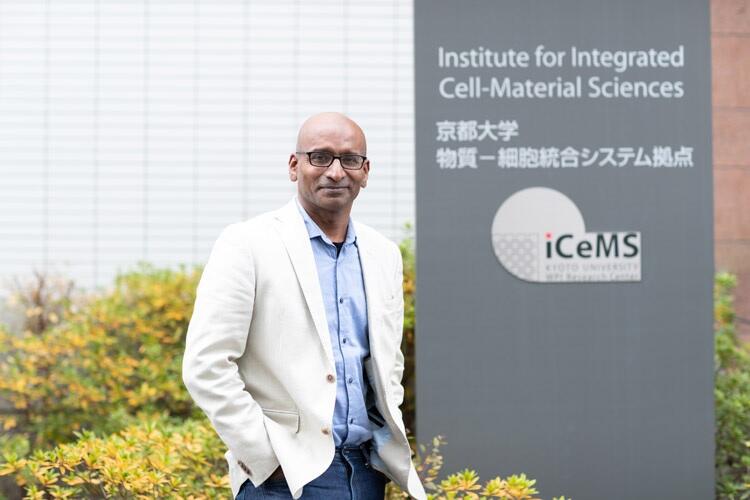
Science Japan's Researchers from across the sea series profiled Easan Sivaniah, professor at Kyoto University's Institute for Integrated Cell-Material Science, and the research path that led to Pureosity.
The feature follows Sivaniah's journey through the UK, the United States, and Japan, and frames Pureosity as a research culture built from both purity and curiosity.
It highlights the team's polymer membrane work for CO2 separation and related environmental technologies, alongside the effort to move discoveries from the laboratory toward practical social use.
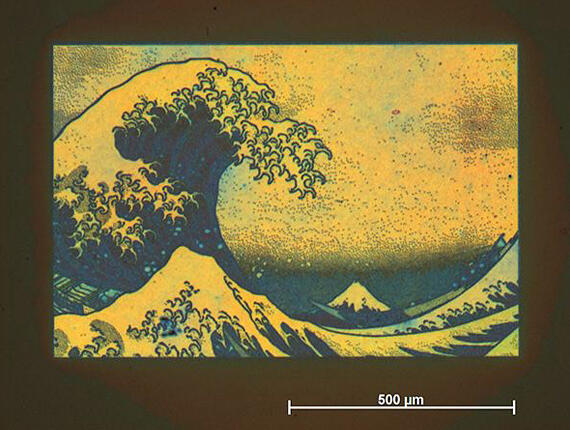
The interview also connects Pureosity's science with image-making: ink-free color printing based on light reflection and precisely controlled surface structures. The article presents beauty as a way to make new material technologies easier to understand, share, and apply.
For Pureosity, the story is a reminder that environmental research, cultural imagination, and material design can move together when curiosity is treated as a working method.